


Bog Mats for Temporary Access & Ground Stabilisation: Complete Project Guide
- jwamats0
- Apr 23
- 5 min read
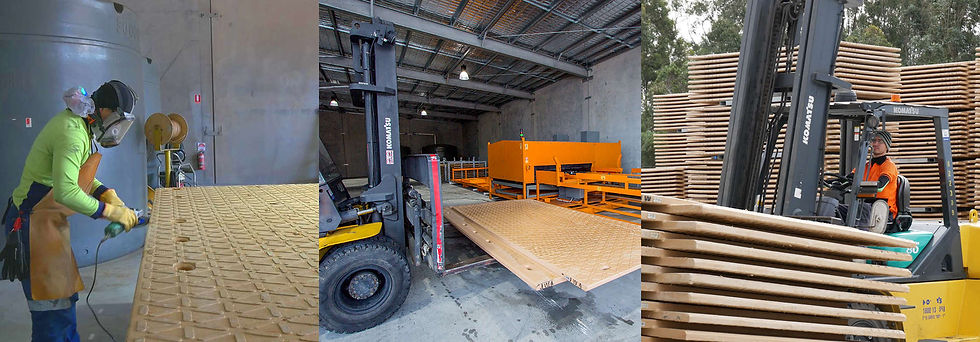
Construction projects across Australia often face one consistent challenge: ground conditions that are unstable, wet, or environmentally sensitive. Whether it is a remote mining site in Western Australia, a wind farm project in Victoria, or infrastructure work in coastal regions, poor ground can delay operations, damage equipment, and increase costs.
This is where bog mats play a critical role. They provide a reliable surface for machinery, reduce ground disturbance, and allow projects to continue in conditions where traditional methods struggle.
This guide explains how bog mats work, where they are used, and how to choose the right solution for your project.
What Are Bog Mats and Why Are They Used?
Bog mats are heavy-duty platforms placed on soft or unstable ground to create a stable working surface. They are commonly used in construction, civil works, mining, and infrastructure projects where access is limited.
Unlike temporary fixes such as gravel or compacted soil, temporary access mats distribute weight evenly across the surface. This reduces pressure on the ground and prevents machinery from sinking.
In practical terms, they help:
Maintain access during wet conditions
Protect sensitive environments
Support heavy equipment movement
Reduce delays caused by ground instability
For projects operating under tight timelines, bog mats often mean the difference between staying on schedule or facing costly interruptions.
Types of Bog Mats Used in Construction
Not all construction bog mats are the same. The right choice depends on load requirements, terrain, and project duration.
Timber Bog Mats
Traditionally made from hardwood, timber mats are widely used for heavy-duty applications. They are strong and suitable for large machinery but can be heavy to transport and install.
Composite Bog Mats
Composite bog mats are made from engineered materials such as high-density polyethylene. They are lighter than timber, easier to handle, and resistant to water, chemicals, and rot.
They are often preferred for projects where:
Environmental impact must be minimised
Frequent relocation is required
Long-term reuse is a priority
Interlocking Mat Systems
Some mats are designed with interlocking connections. These systems create a continuous surface, improving stability and reducing movement under load.
They are particularly useful for:
Temporary roadways
Long access routes
Sites with consistent heavy traffic
How Bog Mats Support Ground Stabilisation
The main purpose of ground protection mats for heavy equipment is load distribution.
When heavy machinery operates directly on soft ground, the weight is concentrated over a small area. This leads to sinking, rutting, and soil damage.
Bog mats spread that load across a wider surface. This reduces ground pressure and improves stability.
Key Benefits:
Prevents ground failure
Reduces rutting and surface damage
Maintains traction for machinery
Protects underground services
For engineers and site managers, this makes planning safer and more predictable.
Common Applications Across Australia
Bog mats are used across a wide range of industries, particularly in locations where terrain is unpredictable.
Construction Sites
In urban and regional construction, bog mats for construction are used to create access routes for trucks, cranes, and excavators. They are especially useful during rainy seasons when soil becomes unstable.
Mining and Resources
Remote mining operations often require access across soft or uneven terrain. Bog mats provide temporary roads that support heavy equipment without the need for permanent infrastructure.
Renewable Energy Projects
Wind farms and solar installations often span large areas of land. Temporary access mats allow crews and machinery to move between locations without damaging the surrounding environment.
Rail and Pipeline Projects
Linear projects such as pipelines and railways require continuous access along long distances. Mats allow crews to work efficiently while reducing environmental disruption.
Wetlands and Sensitive Areas
In environmentally sensitive zones, bog mats help limit soil disturbance and protect vegetation. This is essential for meeting regulatory requirements and avoiding remediation costs.
Bog Mats vs Traditional Access Methods
Before bog mats became widely used, contractors relied on materials like gravel, crushed rock, or temporary concrete surfaces.
While these methods still have their place, they come with limitations.
Gravel and Aggregate
Requires the transport of large volumes of material
Time-consuming to install and remove
Can damage the underlying ground
Concrete Pads
Expensive and time-intensive
Not suitable for short-term projects
Difficult to remove after use
Bog Mats
Faster to install and remove
Reusable across multiple projects
Lower environmental impact
Reduced transport and labour costs
For many projects, especially temporary ones, bog mats provide a more practical and cost-effective solution.
Choosing the Right Bog Mats for Your Project
Selecting the right mats depends on several factors. A mismatch can lead to safety risks or unnecessary costs.
1. Load Requirements
Consider the weight of equipment and frequency of use. Heavier machinery requires thicker and stronger mats.
2. Ground Conditions
Soft, wet, or uneven terrain will influence the type of mat required. Some conditions may benefit from interlocking systems for added stability.
3. Project Duration
Short-term projects may prioritise ease of installation, while long-term projects may focus on durability and reuse.
4. Environmental Considerations
In protected areas, materials that minimise ground disturbance and contamination are essential.
5. Transport and Installation
Lighter mats reduce transport costs and speed up deployment. This can be a major advantage for remote or large-scale projects.
Installation and Site Planning
Proper installation is key to getting the most out of bog mats.
Basic Steps:
Prepare the ground by removing major obstacles
Lay mats evenly to avoid gaps or uneven load distribution
Use interlocking systems where required
Monitor performance during use
Poor installation can reduce effectiveness and increase the risk of movement or failure.
Maintenance and Reuse
One of the biggest advantages of composite bog mats is their ability to be reused across multiple projects.
Maintenance Tips:
Clean mats after use to remove debris and contaminants
Inspect for damage before redeployment
Store in a dry, organised manner
With proper care, mats can provide long-term value and reduce overall project costs.
Cost Considerations
The cost of bog mats depends on:
Material type
Size and thickness
Transport distance
Installation requirements
While the upfront cost may appear higher than traditional methods, the savings in:
reduced delays
lower labour requirements
Minimal site remediation
often makes bog mats a more economical choice over time.
Final Thoughts
Bog mats are an essential solution for modern construction and infrastructure projects in Australia. They provide reliable access, protect the ground, and support heavy equipment in challenging conditions.
From temporary roadways to environmentally sensitive sites, their flexibility and performance make them a practical choice for a wide range of applications.
JWA Composite Matting specialises in durable matting solutions designed for Australian conditions. Hire bog mats for construction, mining, and infrastructure projects, helping teams maintain access and protect ground surfaces.
If you are planning a project and need reliable access solutions, get in touch with JWA Composite Matting to discuss your requirements and find the right matting system for your site.


Comments